Other Mommy: Meaning, Story, Themes, and Why Everyone Is Curious About It
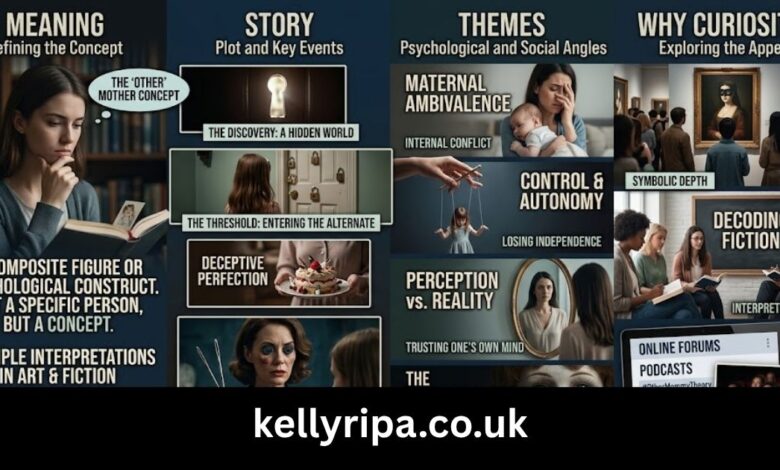
The phrase “Other Mommy” has attracted attention among people interested in horror stories, psychological thrillers, and unsettling fictional characters. The name sounds familiar and comforting because it refers to a mother, yet the word “other” introduces a disturbing sense of mystery. This contrast makes the concept especially effective in horror entertainment, where ordinary family relationships can become the source of fear.
For readers searching for Other Mommy, understanding the meaning behind the name, its connection to horror storytelling, and the themes associated with mysterious parental figures can help explain its growing appeal. This guide explores the concept, its psychological impact, and why stories featuring frightening versions of familiar people continue to capture audiences’ attention.
What Is Other Mommy?
Other Mommy is a name associated with a mysterious, unsettling maternal figure in horror-related discussions. The phrase creates an immediate contrast between the warmth people traditionally associate with motherhood and the possibility of something unfamiliar or dangerous hiding behind that familiar appearance.
In horror fiction, a character such as Other Mommy can represent a figure who seems caring or recognizable at first but gradually reveals something frightening. This approach uses the audience’s natural expectations about family, safety, and trust to build suspense.
The exact meaning of Other Mommy depends on the particular story, book, film, or online discussion in which the name appears. It is important to distinguish confirmed details about a specific fictional work from broader interpretations of the phrase.
Why Is the Name Other Mommy So Unsettling?
The name works because it combines two contrasting ideas: familiarity and uncertainty.
The Familiarity of the Word Mommy
The word mommy commonly suggests love, protection, comfort, and childhood security. In stories, a mother figure is often someone a child can trust when facing danger.
When horror introduces a character using this familiar title, it challenges those expectations. The audience begins to question whether the character is genuinely protective or simply pretending to be.
The Mystery Behind the Word Other
The word other suggests a second version of someone or something that should be unique. It raises questions about identity, imitation, and hidden intentions.
Is the character an alternative mother, a supernatural presence, or a frightening figure that resembles someone familiar? Depending on the story, these possibilities can create tension long before the audience understands what is happening.
Together, the two words create an effective horror concept that feels both recognizable and deeply uncomfortable.
Other Mommy and the Psychology of Horror
Psychological horror often creates fear without relying entirely on graphic violence or sudden scares. Instead, it makes audiences question what they see, whom they trust, and whether familiar surroundings are truly safe.
Other Mommy fits naturally into discussions of this type of storytelling.
Fear of the Unfamiliar in Familiar Places
A frightening figure in a dark forest may be expected in a horror story. A frightening figure inside a family home can feel more disturbing because the home is normally associated with safety.
When a mysterious maternal character appears in a bedroom, hallway, or family setting, the contrast can make ordinary locations feel threatening.
The Fear of Being Deceived
Another important horror theme is uncertainty about whether a person is who they claim to be. Characters may look familiar, speak gently, or behave affectionately while concealing dangerous intentions.
This creates suspense because the audience must interpret small details rather than accept appearances at face value.
Childhood Vulnerability
Horror stories involving children often explore vulnerability, dependence, and the difficulty of understanding frightening situations. A child may not have the experience or confidence needed to recognize danger immediately.
A mysterious mother-like figure can intensify these themes by blurring the boundary between comfort and fear.
Common Themes Associated With Other Mommy
Although the interpretation depends on the specific work, several themes are particularly relevant to the Other Mommy concept.
1. Identity and Imitation
Horror frequently explores the possibility that something can imitate a familiar person without sharing that person’s identity or intentions.
This idea creates questions about recognition and trust. If a character looks and sounds like someone a person loves, what evidence proves that the character is genuine?
2. Family Relationships
Family relationships are emotionally powerful because they involve trust, attachment, and shared experiences. Horror writers can use those connections to make a fictional threat feel personal.
A disturbing maternal figure may symbolize a broken relationship, a fear of abandonment, or anxiety about losing someone familiar.
3. The Difference Between Appearance and Reality
A character who seems kind but behaves suspiciously creates tension between what the audience sees and what it suspects.
This contrast is a common technique in psychological thrillers and supernatural horror. It encourages viewers and readers to look for hidden meanings in conversations, facial expressions, and seemingly harmless actions.
4. Fear of the Unknown
Sometimes, not knowing what a character is makes that character more frightening than knowing everything about them.
Writers may gradually reveal clues while withholding a complete explanation. The audience fills the gaps with its own imagination, often making the mystery more disturbing.
How Horror Uses Mother Figures to Create Suspense
Maternal figures have a distinctive role in horror because motherhood is commonly connected with protection and emotional security.
The Protective Mother
In traditional storytelling, a mother may defend her children, provide guidance, or help them overcome danger. This role establishes an expectation of safety.
When a horror story introduces a threat that resembles a protective mother, the audience experiences a conflict between its expectations and the character’s behavior.
The False Caregiver
A false caregiver appears to offer affection or protection but may actually be manipulating another character. This type of figure can create suspense through seemingly generous actions that gradually become suspicious.
The fear comes from uncertainty: the character’s kindness may be genuine, deceptive, or part of a larger plan.
The Distorted Family Home
Horror can also transform familiar domestic spaces into threatening environments. A bedroom may become a place of uncertainty, while an ordinary family conversation may contain hidden warnings.
These techniques allow writers to create tension using everyday situations instead of relying exclusively on supernatural effects.
Other Mommy in Online Horror Culture
Online horror communities have helped popularize many mysterious characters, unsettling names, and fictional concepts. Social media discussions, fan theories, short videos, and horror storytelling platforms can introduce a character to audiences who have never encountered the original work.
A name like Other Mommy is particularly memorable because it immediately suggests a story without explaining everything.
However, online discussions can sometimes combine official story details with speculation, fan-created material, and unrelated horror concepts. Readers should check the original source before treating a theory or description as established fact.
If you encountered Other Mommy in a particular movie announcement, book discussion, video, or social media post, that context is important for identifying the character accurately.
Why Audiences Enjoy Frightening Fictional Characters
People enjoy horror for different reasons. Some appreciate suspense, while others enjoy supernatural mysteries, complex characters, or the challenge of solving a story’s unanswered questions.
Suspense and Curiosity
An unexplained character creates a natural desire to discover the truth. Audiences may continue watching or reading because they want to understand the character’s motives and origins.
Emotional Intensity
Horror can produce strong emotional reactions in a controlled fictional environment. Fear, surprise, and relief are often part of the experience.
Discussion and Fan Theories
Characters with unclear motives encourage audiences to exchange interpretations. One person may view a mysterious figure as supernatural, while another may interpret the same behavior as symbolic or psychological.
These different readings can keep a story relevant long after someone first encounters it.
How to Understand Other Mommy in Its Original Context
If you are researching Other Mommy for entertainment news, a character guide, or general interest, the best approach is to identify the original work before drawing conclusions.
Consider these questions:
- What is the original source? Determine whether the name comes from a novel, movie, game, short story, or online horror project.
- Who created the character? The writer or creator may provide reliable information about the character’s background.
- What is confirmed? Separate information established in the original story from fan theories.
- What role does the character play? Look at the character’s actions, relationships, and importance to the plot.
- How is the character interpreted? Reviews and audience discussions can offer useful perspectives, but interpretations are not always official facts.
This approach helps readers avoid confusing similarly named characters or treating rumors as confirmed entertainment information.
Frequently Asked Questions About Other Mommy
1. What is Other Mommy?
Other Mommy is a phrase associated with a mysterious maternal figure in horror-related discussions. Its precise identity and background depend on the particular fictional work or online reference being discussed.
2. Is Other Mommy a horror character?
The phrase has clear horror potential because it combines a familiar family title with an element of mystery. Whether a specific Other Mommy character belongs to a horror movie, book, game, or another medium depends on the original source.
3. Why does Other Mommy sound scary?
The name contrasts the comforting associations of motherhood with the uncertainty suggested by the word other. This contrast can create uneasiness and raise questions about identity and trust.
4. Is Other Mommy a supernatural character?
That cannot be established from the name alone. A particular story might portray such a figure as supernatural, imaginary, symbolic, or something else entirely. The original source is needed to determine the answer.
5. Is Other Mommy based on a real person?
There is no basis for concluding that a character is based on a real person simply because the name sounds familiar or frightening. Any claim about real-life inspiration should be supported by information from the creator or another reliable source.
6. Why are mysterious mother figures common in horror?
Mother figures are often associated with safety, affection, and trust. Turning those expectations upside down allows horror writers to create emotional tension and explore themes involving family, identity, vulnerability, and deception.
7. Where can I learn more about Other Mommy?
Start by identifying where you encountered the name. The original book, film, game, creator announcement, or official character description is usually the best place to find reliable information. Fan discussions can provide additional interpretations but should be distinguished from confirmed facts.
Conclusion
Other Mommy is an intriguing phrase because it transforms a familiar symbol of comfort into a source of uncertainty. Its potential connection to identity, family relationships, deception, and psychological fear makes it an interesting subject for horror enthusiasts and entertainment readers.
Understanding the name requires more than judging it by its unsettling sound. The original story determines who or what Other Mommy is, what motivates the character, and why the figure matters. By separating confirmed details from speculation, readers can explore the concept more accurately and appreciate the storytelling techniques that make mysterious horror characters memorable.