Entertainment One: History, Productions, Business, and Influence on the Entertainment Industry
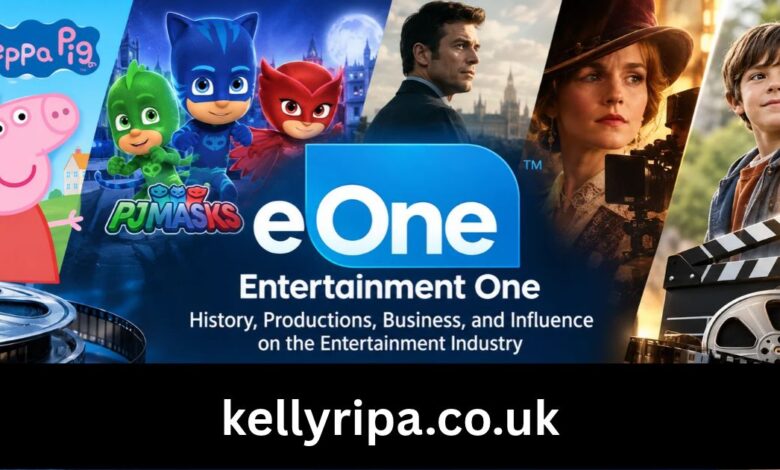
Introduction
Entertainment One, commonly known as eOne, is a name associated with film production, television programming, music, and popular entertainment franchises. Over the years, the company has played an important role in bringing movies, television shows, and family-friendly content to audiences around the world. Its business has evolved through acquisitions, partnerships, and changes in corporate ownership.
Entertainment One has also become known for its involvement in children’s entertainment, independent films, television distribution, and well-known properties such as Peppa Pig. Its history reflects the changing entertainment industry, where content creators, production companies, and distributors work together to reach audiences across different platforms.
Understanding Entertainment One means exploring its origins, major business activities, popular productions, corporate changes, and continuing influence on the global entertainment market.
What Is Entertainment One?
Entertainment One, often shortened to eOne, is an entertainment company that became known for producing, financing, acquiring, and distributing films and television programs. Its activities covered several areas of the entertainment business, including scripted television, family programming, film distribution, and entertainment licensing.
The company developed a broad catalog of content by working with filmmakers, television producers, studios, and creative professionals. Rather than focusing on a single entertainment category, it built a business around different forms of media.
Entertainment One became particularly recognizable through its family entertainment properties and its involvement in independent film distribution. Its catalog included content intended for children, teenagers, and adult audiences.
The company’s corporate history is also important because its operations changed after its acquisition by Hasbro, the American toy and entertainment company. Later corporate restructuring and divestments changed how the Entertainment One name and its former businesses operated.
The History of Entertainment One
Early Development
Entertainment One developed from businesses involved in entertainment distribution and related media activities. Over time, the company expanded its operations and established a stronger presence in international film and television markets.
Its growth reflected an industry in which production companies increasingly sought opportunities beyond their home markets. By distributing content internationally, entertainment businesses could reach larger audiences and generate revenue through theatrical releases, television licensing, and home entertainment.
One gradually expanded its portfolio through acquisitions and business development. This strategy helped it establish relationships with production companies and build a substantial library of entertainment content.
Expansion Through Acquisitions
Acquisitions played an important role in Entertainment One’s development. Purchasing or combining businesses allowed the company to expand into new markets, acquire intellectual property, and strengthen its distribution network.
The company became involved in independent film distribution, television production, and family entertainment. These areas offered different commercial opportunities and helped diversify its business.
Its expansion also reflected the growing importance of intellectual property in entertainment. Established characters, recognizable franchises, and popular television programs can remain valuable for years through licensing, merchandise, broadcasting, and digital distribution.
Acquisition by Hasbro
In 2019, Hasbro completed its acquisition of Entertainment One, bringing the company under the ownership of a major toy and entertainment business.
The acquisition was intended to strengthen Hasbro’s entertainment capabilities and expand opportunities for its intellectual property. Entertainment One’s production and distribution experience offered ways to develop stories and screen content connected with popular brands.
The combination demonstrated how entertainment companies and toy manufacturers can work together. Television shows and films can increase awareness of characters, while toys and licensed products can help extend a franchise beyond the screen.
However, the business continued to change as Hasbro reviewed its operations and strategic priorities.
Corporate Changes and Sale of One Businesses
In 2023, Hasbro announced the sale of its eOne film and television business to Lionsgate. The transaction was completed in December 2023.
This development changed the ownership of much of the film and television business associated with eOne. It is important to distinguish that business from Hasbro’s family entertainment brands and other intellectual property that remained with Hasbro.
Consequently, the Entertainment One name has a complicated corporate history. The exact company or division being discussed matters when examining its current activities, ownership, and content rights.
Major Areas of Entertainment One’s Business
Film Production and Distribution
Film production and distribution were significant parts of Entertainment One’s operations. The company worked with filmmakers and production partners to bring movies to theaters and other viewing platforms.
Film distribution involves more than releasing a movie. Companies may arrange theatrical screenings, negotiate licensing agreements, coordinate marketing, and manage distribution rights across different countries.
Independent film distributors can also help projects reach audiences that might not otherwise discover them. By working with cinemas, broadcasters, and digital platforms, distributors create opportunities for films to find viewers beyond their original markets.
Entertainment One’s involvement in film distribution contributed to its recognition within the broader movie industry.
Television Production
Television was another important part of the company’s business. Entertainment One participated in developing and distributing television programming across different genres.
Television production often requires collaboration among writers, directors, performers, producers, broadcasters, and distributors. A company may help finance a project, acquire distribution rights, or manage international sales.
Popular television content can generate revenue through licensing agreements and repeated distribution. Programs may also reach new audiences when they become available through streaming services or international broadcasters.
One’s television activities reflected the industry’s movement toward global distribution and partnerships between production companies and media platforms.
Children’s Entertainment
Children’s programming became one of the most recognizable areas associated with One.
Family entertainment can have a long commercial life because successful characters appeal to multiple generations. Children’s shows may lead to toys, books, clothing, educational products, live events, and other licensed merchandise.
The company’s involvement in children’s entertainment also demonstrated the relationship between storytelling and consumer products. A television character can become part of a much larger franchise when audiences connect with its personality, appearance, and adventures.
Popular Franchises Associated With Entertainment One
Peppa Pig
Peppa Pig is one of the best-known children’s entertainment properties associated with One.
The British animated series follows Peppa, a young pig, and her family and friends. Episodes typically explore everyday experiences, including family activities, school, friendships, and simple adventures.
The show’s accessible humor and recognizable characters have helped it attract young viewers in many countries.
The franchise extends beyond television into toys, books, clothing, games, and live entertainment. This broad presence illustrates how a successful children’s program can develop into a major international brand.
Although Peppa Pig has been closely associated with One, ownership and management of the franchise must be distinguished from the ownership of eOne’s former film and television business.
PJ Masks
PJ Masks is another children’s entertainment property associated with Entertainment One and Hasbro.
The animated series follows young heroes who become masked superheroes at night. Its themes include teamwork, friendship, problem-solving, and helping others.
The franchise has attracted children through its colorful characters, action-oriented stories, and straightforward moral lessons.
Like many successful children’s properties, PJ Masks has expanded into toys and licensed merchandise. Its connection to entertainment programming demonstrates how characters can support multiple business opportunities.
Other Entertainment Properties
One’s broader history includes a variety of television programs, films, and other intellectual properties.
The company worked across different entertainment categories, meaning its catalog was not limited to children’s shows. Its activities included content aimed at adult audiences and projects developed with independent production partners.
The range of content associated with eOne illustrates the diversity of the entertainment industry. A single company may work with multiple genres while relying on different production teams, distribution arrangements, and licensing agreements.
How Entertainment One Makes Money
Entertainment companies typically generate revenue through several interconnected business activities.
Distribution and Licensing
A distributor can earn money by licensing films and television programs to broadcasters, streaming platforms, and other media companies.
Licensing agreements may cover particular territories, viewing periods, or distribution formats. The financial terms depend on the content, audience demand, rights available, and negotiated contract.
International distribution can create additional opportunities because a program produced in one country may find audiences in many others.
Intellectual Property and Merchandise
Popular entertainment properties can generate revenue beyond their original television or film releases.
Merchandise may include toys, clothing, books, games, and collectibles. Licensing arrangements allow approved partners to use recognizable characters or brands under agreed conditions.
The value of intellectual property often depends on audience loyalty, brand recognition, and the ability to maintain interest over time.
Children’s entertainment is especially suited to this model because familiar characters can appear across numerous products and experiences.
Film and Television Production
Production businesses may earn revenue through financing arrangements, production fees, distribution rights, and sales to broadcasters or other platforms.
The economics of each project can vary considerably. Some productions are developed for broad international audiences, while others target specific genres or smaller markets.
Successful projects can create additional opportunities through sequels, spin-offs, international adaptations, and licensing.
Entertainment One and the Changing Media Industry
The entertainment business has changed significantly with the growth of streaming services, digital distribution, and international content markets.
Audiences increasingly watch movies and television programs on different devices. This has encouraged companies to reconsider how content is produced, licensed, marketed, and distributed.
Entertainment One’s history reflects several major industry trends.
First, intellectual property has become increasingly important. Recognizable franchises can generate value through television, film, consumer products, and live experiences.
Second, corporate acquisitions have reshaped the industry. Companies often purchase production businesses or content libraries to strengthen their entertainment portfolios.
Third, distribution rights have become more complex. A company may own a particular property while another business holds certain distribution rights or manages specific commercial activities.
Finally, streaming has increased competition for audience attention. Production companies must develop content that attracts viewers while adapting to changing licensing arrangements and business models.
These developments help explain why understanding Entertainment One requires more than simply identifying it as a film studio.
Why Is Entertainment One Important?
Entertainment One is significant because its history connects several major areas of modern entertainment.
Its film and television activities demonstrate how distributors help creative projects reach international audiences. Its family entertainment properties illustrate the commercial potential of memorable characters. Its corporate changes also show how mergers, acquisitions, and sales can reshape the ownership of well-known entertainment businesses.
For viewers, the company’s legacy can be seen in familiar programs and franchises. For industry professionals, its history provides an example of how production, distribution, licensing, and intellectual property management interact.
The company also highlights an important distinction: the brand associated with a television program may remain recognizable even when the business responsible for producing or distributing it changes ownership.
Understanding that distinction helps audiences, researchers, and entertainment enthusiasts follow developments in the media industry more accurately.
Frequently Asked Questions About Entertainment One
1. What is Entertainment One?
Entertainment One, commonly called eOne, is a name associated with film production, television programming, distribution, and family entertainment. Its business history includes acquisitions, international expansion, and changes in corporate ownership.
2. Who owns Entertainment One?
Hasbro acquired Entertainment One in 2019. In 2023, Hasbro sold its eOne film and television business to Lionsgate, with the transaction completed in December of that year. Hasbro retained certain brands and intellectual property, so ownership depends on the specific property or business being discussed.
3. Is Entertainment One the same as eOne?
Yes. Entertainment One is commonly abbreviated as eOne. The name has been used for entertainment businesses and operations that changed over time, so it is useful to identify the particular division or property when discussing ownership.
4. Is Peppa Pig associated with Entertainment One?
Yes. Peppa Pig has a long-standing association with Entertainment One. The franchise is known for its animated television series, merchandise, books, and other family entertainment products.
5. What kind of content did Entertainment One produce?
Entertainment One was involved in films, television programs, children’s entertainment, and content developed with independent production partners. Its activities covered multiple genres and audience groups.
6. What happened to Entertainment One after 2023?
Hasbro sold its eOne film and television business to Lionsgate in a transaction completed in December 2023. Hasbro retained certain entertainment brands and intellectual property, meaning that the company’s former activities are now divided across different ownership arrangements.
7. Why is Entertainment One important in the entertainment industry?
Entertainment One is important because of its contributions to film and television distribution, children’s programming, and intellectual property development. Its corporate history also illustrates how acquisitions and changing distribution models influence the entertainment business.
Conclusion
Entertainment One has an important place in the history of modern film, television, and family entertainment. Through its distribution activities, production partnerships, and involvement with recognizable franchises, the company helped bring a wide range of content to audiences.
Its association with properties such as Peppa Pig and PJ Masks demonstrates the value of memorable characters and long-running entertainment brands. Meanwhile, its acquisition by Hasbro and the subsequent sale of its film and television business to Lionsgate illustrate how ownership can change as companies adjust their strategies.
Today, the name Entertainment One remains relevant when discussing entertainment production, distribution, licensing, and the evolution of media businesses. Understanding its history provides useful insight into how creative content becomes internationally recognized and commercially successful.