Entertainment in the 1960s: Movies, Music, Television and Pop Culture
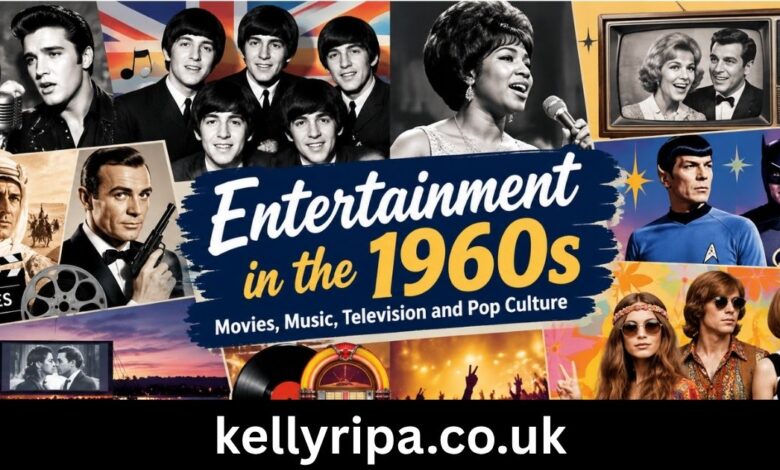
The 1960s was one of the most influential decades in entertainment history. From the rise of rock and roll and groundbreaking films to the growing popularity of television, entertainment in the 1960s reflected the changing culture, fashion, technology, and social attitudes of the time. People experienced entertainment in cinemas, living rooms, concert halls, record stores, drive-in theaters, and emerging youth-focused venues.
This decade introduced legendary performers, memorable movies, innovative television programs, and music that continues to influence popular culture today. Whether you are interested in classic cinema, 1960s music, television, or the evolution of celebrity culture, the decade offers an extraordinary look at how modern entertainment in the 1960s developed.
The Rise of Music Entertainment in the 1960s
Music was at the heart of entertainment in the 1960s. Rock music became increasingly influential, while pop, soul, folk, Motown, and psychedelic music attracted millions of listeners. Young people played a particularly important role in shaping musical trends.
British bands became major international stars during the decade. The Beatles, The Rolling Stones, The Who, and other British groups helped create what became known as the British Invasion. Their records, hairstyles, clothing, and performances influenced audiences far beyond the United Kingdom.
American music was equally important. Motown artists such as The Supremes, Marvin Gaye, The Temptations, and Stevie Wonder helped bring soul and R&B to mainstream audiences. Folk musicians and singer-songwriters also became increasingly popular, while psychedelic rock emerged toward the end of the decade.
Famous Singers and Bands of the 1960s
The 1960s produced a remarkable collection of musical legends. The Beatles became one of the most successful bands in history, while artists such as Bob Dylan, Aretha Franklin, Elvis Presley, Jimi Hendrix, Janis Joplin, and Simon & Garfunkel developed distinctive styles.
Music festivals and large concerts also became increasingly important. Performers were no longer simply entertainers; many became cultural icons whose music connected with changing attitudes among young audiences.
The growth of affordable record players and improved recording technology also helped people enjoy music at home. Singles and albums became important forms of entertainment, allowing fans to follow their favorite performers more closely.
Movies and Cinema in the 1960s
Cinema was another major part of entertainment in the 1960s. Hollywood produced large-scale historical dramas, musicals, thrillers, comedies, science-fiction movies, and spy films. At the same time, filmmakers began experimenting with storytelling, editing, visual effects, and subject matter.
Movies such as Psycho, The Graduate, Lawrence of Arabia, The Sound of Music, 2001: A Space Odyssey, Bonnie and Clyde, and Midnight Cowboy demonstrated the variety of filmmaking during the decade.
The James Bond film series also became a major entertainment phenomenon. Beginning the decade with Dr. No in 1962, the series introduced audiences to a new style of stylish espionage entertainment featuring action, gadgets, exotic locations, and memorable characters.
The Changing Hollywood Style
Hollywood was going through significant changes during the 1960s. Traditional studio practices were gradually losing their dominance, while younger filmmakers and new approaches to storytelling became more prominent.
Audiences were also changing. Younger moviegoers wanted stories that felt more relevant to contemporary life. By the end of the decade, filmmakers had greater freedom to explore mature themes and unconventional characters.
Television Became a Household Favorite
Television transformed entertainment in the 1960s. As television ownership expanded, families increasingly gathered around their television sets for news, comedy, drama, variety shows, and sports.
Popular programs included The Andy Griffith Show, The Dick Van Dyke Show, Bewitched, The Beverly Hillbillies, Star Trek, Batman, and The Addams Family. These programs became part of everyday popular culture and helped establish television characters that remain recognizable decades later.
Television also changed how celebrities connected with audiences. Performers could appear regularly in people’s homes rather than being seen only in cinemas or concert venues.
Comedy and Variety Shows
Comedy was an important part of entertainment in the 1960s. Television variety programs combined music, comedy sketches, celebrity appearances, and performances. Shows such as The Ed Sullivan Show introduced major performers to enormous audiences.
Comedy also evolved alongside changing social attitudes. Television writers and performers increasingly experimented with different types of humor, although broadcasting standards still placed significant restrictions on what could be shown or discussed.
1960s Fashion and Celebrity Culture
Entertainment in the 1960s was closely connected to fashion. Musicians and actors became style influencers, and fans often copied their clothing, hairstyles, and overall appearance.
The decade moved from the polished styles of the early 1960s toward the colorful, experimental fashion associated with the late 1960s. Miniskirts, bold patterns, boots, longer hairstyles, and psychedelic designs became increasingly recognizable.
Celebrities were also becoming more visible through magazines, television appearances, music programs, and increasingly sophisticated publicity campaigns. Entertainment personalities could influence fashion and consumer behavior on a large scale.
The Influence of Youth Culture
Young audiences had an enormous impact on entertainment in the 1960s. The postwar generation had increasing economic and cultural influence, creating a large market for music, movies, fashion, magazines, and television.
Record companies, filmmakers, and television producers recognized the importance of younger consumers. Entertainment increasingly reflected youth interests, relationships, rebellion, creativity, and changing social values.
This helped establish the modern idea of youth-oriented popular culture.
Drive-In Theaters and Other Popular Entertainment
Not all entertainment in the 1960s happened inside the home. Drive-in movie theaters remained popular, particularly in the United States. Families, couples, and groups of friends could watch movies from the comfort of their cars.
Bowling alleys, dance halls, amusement parks, live concerts, and local theaters also provided popular entertainment. These venues offered opportunities for socializing as well as enjoying performances.
Technology Changed Entertainment
Technological improvements played an important role in the development of entertainment during the decade. Color television became increasingly common, although black-and-white sets remained widespread.
Recording technology improved, stereo sound became more popular, and advances in filmmaking allowed directors to create more ambitious visual experiences. Space exploration also influenced entertainment, particularly science fiction.
The decade demonstrated how technology could change not only what people watched and listened to, but also how entertainment was produced and distributed.
The Legacy of Entertainment in the 1960s
The influence of 1960s entertainment can still be seen today. Music from the decade continues to receive radio airplay, streaming audiences, reissues, documentaries, and new interpretations.
Classic 1960s movies are regularly restored and introduced to new generations. Television programs from the period continue to appear on streaming services and classic-TV networks.
Perhaps the most important legacy is the decade’s willingness to experiment. Musicians, filmmakers, television producers, and performers pushed entertainment toward new styles and subjects, helping establish many of the creative traditions used by modern entertainment industries.
Frequently Asked Questions About Entertainment in the 1960s
1. What was entertainment like in the 1960s?
Entertainment in the 1960s included movies, television, live concerts, radio, records, dance events, drive-in theaters, and sporting events. Music and television became especially influential forms of popular entertainment.
2. What music was popular in the 1960s?
Rock, pop, soul, Motown, folk, R&B, and psychedelic rock were among the decade’s most popular musical styles. The Beatles, Rolling Stones, Aretha Franklin, Bob Dylan, Jimi Hendrix, and many other artists became major cultural figures.
3. What movies were popular in the 1960s?
Popular and influential movies included Psycho, The Sound of Music, Lawrence of Arabia, The Graduate, 2001: A Space Odyssey, and early James Bond films. The decade featured many different genres and filmmaking styles.
4. Was television popular in the 1960s?
Yes. Television became a central part of household entertainment. Families watched sitcoms, dramas, variety programs, westerns, news, sports, and science-fiction shows.
5. Why was music so important in the 1960s?
Music became closely connected with youth culture and changing social attitudes. New sounds, recording techniques, and influential performers helped make music an important form of cultural expression.
6. Were drive-in movie theaters popular in the 1960s?
Yes. Drive-in theaters remained a popular entertainment option, especially in the United States. They provided a social and convenient way to watch movies with family or friends.
7. How did technology affect entertainment in the 1960s?
Improved television technology, stereo recording, filmmaking techniques, and sound systems expanded entertainment possibilities. Color television also became increasingly accessible during the decade.
Conclusion
Entertainment in the 1960s was diverse, innovative, and closely connected to the cultural changes of the era. Music evolved rapidly, Hollywood experimented with new filmmaking approaches, and television became a central part of everyday life. Fashion, celebrity culture, youth movements, and new technology further strengthened the relationship between entertainment and society.
The decade’s influence remains visible in modern music, cinema, television, fashion, and popular culture. For that reason, the 1960s remains one of the most fascinating periods in entertainment history and continues to inspire audiences around the world.