Wall Entertainment Center: Design Ideas, Benefits, Types, and Buying Guide
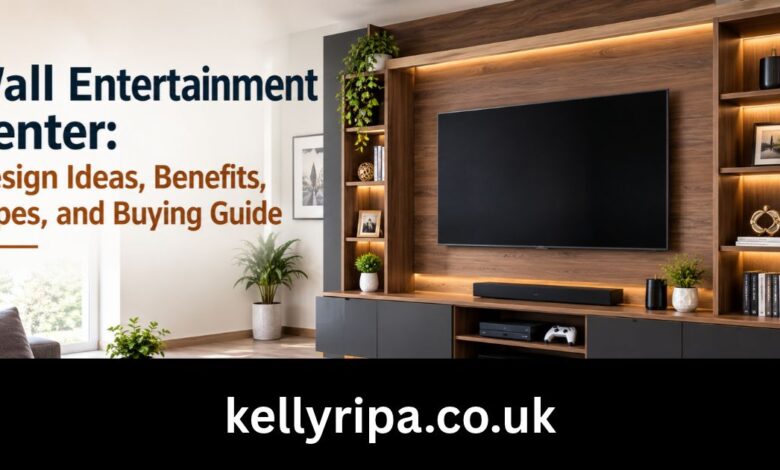
A wall entertainment center is an excellent way to transform a living room into a comfortable, organized, and stylish space. Designed to accommodate televisions, gaming consoles, speakers, books, and decorative accessories, these furniture units combine practical storage with attractive design. Whether you live in a small apartment or a spacious house, the right wall entertainment center can improve your room’s appearance while making everyday entertainment more convenient.
Modern wall entertainment centers are available in numerous styles, sizes, materials, and configurations. Some feature sleek floating cabinets, while others include full-height shelving, closed storage compartments, and decorative lighting. Understanding the available options can help you choose a design that complements your interior, fits your budget, and meets your entertainment needs.
What Is a Wall Entertainment Center?
A wall entertainment center is a furniture arrangement designed to organize and display entertainment equipment along a wall. It typically includes a television mounting area, shelves, cabinets, drawers, and compartments for electronic devices and accessories.
Unlike a simple TV stand, a wall entertainment center often provides a more comprehensive storage solution. It can extend across an entire wall or occupy a smaller section of the living room, depending on the available space and design preferences.
Many contemporary models incorporate cable management systems, adjustable shelves, and specialized compartments for gaming consoles, soundbars, and media players. Some designs also include bookshelves, decorative panels, and display areas for family photographs or collectibles.
The main purpose is to create an organized entertainment area that looks attractive and keeps frequently used items within easy reach.
Benefits of Installing a Wall Entertainment Center
1. Better Organization
One of the most significant advantages of a wall entertainment center is improved organization. Television accessories, remote controls, gaming equipment, DVDs, books, and other household items can be stored in designated spaces.
Cabinets conceal clutter, while open shelves provide convenient access to frequently used devices. This arrangement helps maintain a cleaner living room without sacrificing functionality.
2. Efficient Use of Space
A thoughtfully designed wall entertainment center can make better use of available wall space. Vertical shelving provides storage without requiring additional floor space for multiple furniture pieces.
Floating cabinets can create an especially spacious appearance because they leave part of the floor visible beneath the furniture.
For small apartments, compact entertainment centers with integrated storage can be more practical than combining a separate television stand, bookcase, and storage cabinet.
3. Improved Interior Design
A wall entertainment center can become the focal point of a living room. Its colors, finishes, lighting, and arrangement can complement other furniture and establish a consistent interior design style.
Wood finishes provide warmth, glossy surfaces create a contemporary appearance, and neutral colors work well with many decorative themes.
A carefully selected unit can make an ordinary television wall look more intentional and visually appealing.
4. Convenient Entertainment Setup
Modern entertainment systems often include several devices, such as streaming players, gaming consoles, speakers, and cable boxes.
A wall entertainment center provides a central location for these components. Properly designed compartments help keep equipment accessible while reducing visible cable clutter.
However, electronic devices require adequate ventilation. Cabinets should not trap excessive heat around gaming consoles, receivers, or other equipment.
5. Flexible Storage Options
Many wall entertainment centers combine open shelving with enclosed cabinets. This arrangement allows homeowners to display attractive accessories while keeping less decorative items out of sight.
Adjustable shelves can also accommodate changing needs, including larger speakers, additional gaming equipment, or new media devices.
Popular Types of Wall Entertainment Centers
1. Modern Wall Entertainment Centers
Modern designs emphasize clean lines, simple shapes, and practical storage. Common features include flat cabinet doors, neutral colors, minimal hardware, and smooth finishes.
Black, white, gray, and natural wood tones are popular choices. Some modern units include decorative wall panels that extend behind the television to create a coordinated appearance.
This style works particularly well in contemporary homes, minimalist interiors, and apartments with simple furniture arrangements.
2. Built-In Wall Entertainment Centers
Built-in entertainment centers are designed to fit a particular wall or room layout. They may include floor-to-ceiling cabinets, integrated shelving, and a dedicated television area.
Because they are customized to the available dimensions, built-in units can make excellent use of unusual wall shapes and unused corners.
They can also create a polished, architectural appearance. However, custom construction generally requires more planning and expense than purchasing ready-made furniture.
Homeowners should consider electrical outlets, ventilation, wall construction, and future equipment changes before installing a built-in system.
3. Floating Wall Entertainment Centers
Floating entertainment centers are mounted above the floor rather than resting directly on it. Their suspended appearance can make a living room feel lighter and less crowded.
These units commonly feature low-profile cabinets beneath a wall-mounted television. Some include narrow display shelves or integrated lighting.
Floating designs are particularly suitable for small rooms and contemporary interiors.
Proper installation is essential because the mounting hardware must support the furniture and its contents. The wall structure and fasteners should be appropriate for the combined weight.
4. Wall Entertainment Centers With Bookshelves
Entertainment centers with bookshelves combine television storage with space for books, plants, artwork, and decorative objects.
They are useful for households that want their entertainment area to serve multiple purposes.
Open shelving creates display opportunities, while cabinets below the television provide concealed storage.
To prevent the arrangement from appearing overcrowded, leave some shelf space empty and group decorative objects by size, color, or theme.
5. Traditional Wooden Entertainment Centers
Traditional wooden entertainment centers often feature detailed trim, rich finishes, decorative moldings, and substantial cabinetry.
Oak, maple, walnut, and other wood species can create a warm, classic atmosphere. Engineered wood products with wood-look finishes are also widely used in more affordable furniture.
Traditional designs may suit homes with classic furnishings, warm colors, and coordinated wooden furniture.
6. Corner Wall Entertainment Centers
Corner entertainment centers are designed to fit into corners or compact areas where a conventional unit might not work well.
They can be useful in smaller living rooms, bedrooms, and multipurpose spaces.
Before purchasing a corner model, measure the available wall lengths, television dimensions, viewing angle, and clearance for doors or walkways.
The television should remain comfortably visible from the main seating area.
How to Choose the Right Wall Entertainment Center
Measure Your Available Space
Start by measuring the width and height of the wall where you intend to place the entertainment center. Record the distance between nearby doors, windows, and other furniture.
Measure the television diagonally and check its actual width and height. Also consider the dimensions of gaming consoles, speakers, and other equipment.
The furniture should be proportionate to the room. An oversized unit can overwhelm a small living room, while a very narrow unit may appear unbalanced on a large wall.
Select a Suitable Material
The material affects appearance, durability, maintenance, and price.
Solid wood is valued for its natural character and long-lasting construction, although it can be expensive. Plywood and quality engineered wood offer practical alternatives, depending on their thickness and construction. Particleboard furniture is often more affordable but may be less resistant to moisture and damage.
Metal and glass elements can create a contemporary appearance when incorporated into suitable designs.
Choose materials that match your household’s needs, cleaning habits, and expected furniture use.
Consider Storage Requirements
Think about what you need to store before choosing a model.
If you own several gaming consoles, look for compartments with sufficient dimensions and ventilation. If you have many books or collectibles, prioritize adjustable shelves. Households that prefer a minimalist appearance may benefit from larger enclosed cabinets.
Make sure frequently used devices remain accessible and that cables can reach the required electrical outlets.
Match Your Interior Style
The entertainment center should complement the rest of the room.
For a minimalist interior, consider simple cabinetry and neutral colors. For a warm, traditional room, wooden finishes may be more appropriate. For a contemporary space, floating cabinets and integrated lighting can provide a clean appearance.
Matching every piece of furniture exactly is unnecessary. Instead, coordinate a few elements, such as wood tones, metal finishes, or colors, to create visual consistency.
Establish a Realistic Budget
Wall entertainment centers are available at different price points. Ready-made furniture is generally less expensive than custom-built cabinetry.
When comparing options, consider more than the initial purchase price. Delivery, assembly, mounting hardware, electrical work, and professional installation may add to the total cost.
A simple, well-constructed unit that meets your needs can be a better investment than an elaborate design with unnecessary features.
Wall Entertainment Center Design Ideas
Create a Feature Wall
Use a contrasting wall color, textured finish, or decorative panel behind the television to establish a focal point.
Wood-look panels can introduce warmth, while a simple painted wall can create a clean background.
Keep patterns and decorations balanced so the television remains the main visual feature.
Add Integrated Lighting
LED lighting can highlight shelves, illuminate decorative objects, and create a comfortable atmosphere during evening entertainment.
Lighting installed behind a television can also add visual depth to the wall.
Choose lighting that can be dimmed or adjusted when possible. Avoid excessively bright lights that cause screen reflections or distract viewers.
Combine Open and Closed Storage
A mixture of open shelves and closed cabinets provides a useful balance between display and organization.
Use open shelves for books, small plants, photographs, and decorative accessories. Store cables, controllers, and miscellaneous items inside cabinets.
This arrangement keeps the room functional without making the entertainment center look cluttered.
Design Around Your Gaming Setup
If gaming is an important part of your entertainment system, dedicate space to consoles, controllers, headsets, and accessories.
Check the manufacturer’s ventilation recommendations for every device. Avoid placing heat-producing equipment in tightly enclosed compartments without sufficient airflow.
Cable clips and designated storage boxes can help keep accessories organized and reduce visible wires.
Installation and Safety Considerations
Before mounting a wall entertainment center, determine the type of wall and identify suitable attachment points. Different walls require different mounting hardware, and heavy units may need to be secured directly to structural supports.
Follow the manufacturer’s installation instructions and weight limits. If the unit is large or heavy, consider professional installation.
Televisions should also be mounted using hardware compatible with the television and wall structure. Keep electrical cables organized and avoid pinching them behind furniture.
If children live in the home, secure freestanding furniture to the wall where appropriate and avoid placing heavy objects on unstable shelves.
Leave adequate space around electronic devices for ventilation, and keep electrical equipment away from moisture.
Maintaining Your Wall Entertainment Center
Regular maintenance helps preserve the furniture’s appearance and functionality.
Dust open shelves and cabinet surfaces with a soft cloth. Use cleaning products suitable for the specific material and avoid excessive moisture, particularly on engineered wood.
Check mounting hardware periodically according to the manufacturer’s recommendations. Organize cables whenever equipment is added or removed.
Avoid overloading shelves and drawers, and distribute stored items according to the furniture’s weight limits.
For wooden surfaces, use appropriate furniture care products when recommended by the manufacturer. Promptly clean spills to reduce the risk of staining or moisture damage.
Frequently Asked Questions
1. What Is the Difference Between a TV Stand and a Wall Entertainment Center?
A TV stand is generally a smaller piece of furniture designed primarily to support a television and provide basic storage. A wall entertainment center usually offers a more extensive arrangement of cabinets, shelving, and display areas.
2. Is a Wall Entertainment Center Suitable for a Small Living Room?
Yes. Compact, floating, and vertically oriented designs can make efficient use of limited space. Measure the room carefully and choose a unit that provides necessary storage without obstructing walkways.
3. Can I Install a Wall Entertainment Center Myself?
Some lightweight, ready-made units are suitable for DIY assembly and installation. However, large or heavy cabinets may require professional assistance. Always use appropriate mounting hardware and follow the manufacturer’s instructions.
4. What Is the Best Material for a Wall Entertainment Center?
The best material depends on your budget, preferred appearance, and durability requirements. Solid wood offers natural character, plywood can provide strong construction, and engineered wood can deliver an affordable range of finishes.
5. How Do I Hide Cables Behind an Entertainment Center?
You can use cable management channels, clips, ties, and dedicated cable openings. For a cleaner appearance, plan the placement of electrical outlets and equipment before installation. Any permanent electrical modifications should be handled by a qualified professional.
6. Can a Wall Entertainment Center Accommodate Gaming Consoles?
Yes. Many designs include shelves or compartments for gaming consoles and accessories. Confirm the dimensions of your equipment and provide sufficient airflow to prevent overheating.
7. Are Built-In Entertainment Centers Worth the Cost?
Built-in entertainment centers can be worthwhile when you want customized storage, a precise fit, and a coordinated appearance. However, ready-made furniture may be more practical if you have a limited budget or expect to rearrange your living space.
Conclusion
A wall entertainment center combines storage, convenience, and interior design in one practical furniture arrangement. From modern floating cabinets to traditional wooden units and customized built-in systems, there are options for different room sizes, budgets, and personal preferences.
The best choice depends on your available space, entertainment equipment, storage requirements, and preferred style. By measuring carefully, selecting suitable materials, planning cable management, and ensuring secure installation, you can create an attractive entertainment area that serves your household for years.
Whether you want a simple television wall or a complete entertainment hub, a thoughtfully selected wall entertainment center can help make your living room more organized, comfortable, and visually appealing.