Entertainment Centers: A Complete Guide to Choosing the Perfect Home Entertainment Center
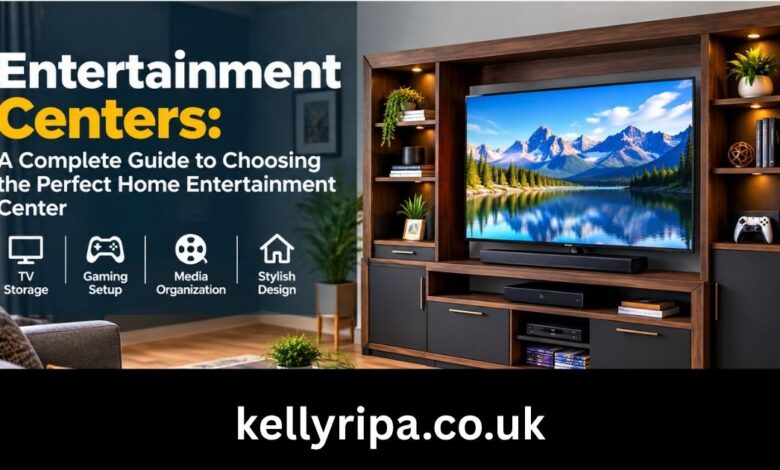
Entertainment centers have become an important part of modern living rooms. They provide a dedicated place for televisions, gaming consoles, speakers, streaming devices, movies, books, and decorative items while helping keep the room organized. Whether you live in a compact apartment or a spacious family home, the right entertainment center can combine storage, style, and functionality.
With so many designs, sizes, materials, and configurations available, choosing the right option can sometimes feel overwhelming. This guide explains what entertainment centers are, the different types available, how to choose the right size, important features to consider, and ways to create an attractive media area.
What Are Entertainment Centers?
An entertainment center is a piece of furniture designed to organize and display home entertainment equipment. It commonly includes a central space for a television along with shelves, cabinets, drawers, or compartments for additional equipment and accessories.
Traditional entertainment centers were often large furniture units designed around bulky televisions. Modern designs have evolved with the introduction of flat-screen TVs, soundbars, streaming devices, and gaming consoles. Today’s entertainment centers can range from simple TV stands to large wall units with extensive storage.
A well-designed entertainment center can also become the visual focal point of a living room. Instead of having wires, controllers, remotes, and electronic devices scattered around the room, everything can have a designated location.
Why Are Entertainment Centers Useful?
The main advantage of entertainment centers is organization. A television setup can quickly become cluttered when several devices, cables, games, DVDs, and accessories are involved. Shelving and cabinets help keep these items together.
Entertainment centers can also improve the appearance of a room. A coordinated furniture unit can make a television wall look intentional rather than unfinished.
Another benefit is storage. Depending on the design, an entertainment center can provide space for gaming consoles, speakers, books, decorations, media collections, and other household items.
Some designs also provide cable-management openings. These allow cables to pass through the back of the furniture, reducing visible wire clutter.
Popular Types of Entertainment Centers
There are several types of entertainment centers, and each is suited to different room layouts and lifestyles.
Traditional Entertainment Centers
Traditional entertainment centers are usually substantial furniture units with a central television area and storage surrounding it. They may include glass-front cabinets, wooden shelves, drawers, and enclosed compartments.
These designs work particularly well in larger living rooms where plenty of storage is needed. They can also provide a classic furniture appearance that complements traditional interior décor.
Modern Entertainment Centers
Modern entertainment centers typically feature clean lines, simple shapes, and minimal decoration. Materials such as engineered wood, glass, metal, and laminates are commonly used.
Many modern units are designed specifically for slim televisions and contemporary electronics. Their streamlined appearance can work well in apartments, modern homes, and minimalist interiors.
Wall-Mounted Entertainment Centers
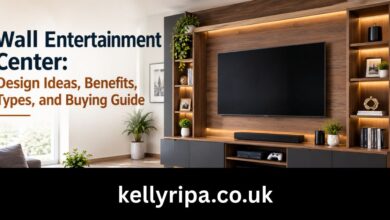
Wall-mounted entertainment centers attach directly to the wall or combine floating cabinets with mounted shelving. They can create a clean, contemporary appearance while leaving some floor space visible.
A floating design may also make a room feel more open. However, installation needs to be done carefully, particularly when heavy televisions or cabinets are involved.
Entertainment Wall Units
An entertainment wall unit covers a larger section of the wall and can combine a television area with multiple shelves, cabinets, and display spaces.
These units are useful for people who need significant storage. They can also provide a balanced appearance by surrounding the television with furniture and decorative elements.
Corner Entertainment Centers
Corner entertainment centers are designed to fit into corners rather than occupying the center of a flat wall. They can be useful in rooms where wall space is limited.
A corner unit may also help make use of an otherwise difficult-to-furnish area. Before purchasing one, measure the corner carefully to ensure that the television and furniture will fit comfortably.
How to Choose the Right Size Entertainment Center
Size is one of the most important considerations when buying an entertainment center. A unit that is too small can look unbalanced, while one that is too large may overwhelm the room.
Start by measuring the television. Consider the TV’s actual width rather than relying only on the advertised screen size. The entertainment center should generally provide a stable and appropriately sized surface or mounting area.
Next, measure the available wall or floor space. Record the width, height, and depth available for the furniture.
You should also consider walking space. Doors, windows, heating equipment, and other furniture should not be blocked by the entertainment center.
For larger wall units, pay particular attention to ceiling height. A tall entertainment center can create an impressive built-in appearance, but it may not be suitable for rooms with low ceilings.
Materials Used in Entertainment Centers
Entertainment centers are available in many materials, each offering different benefits.
Solid Wood
Solid wood furniture is known for its durability and natural appearance. Oak, pine, walnut, and other woods can create a warm and traditional atmosphere.
However, solid wood entertainment centers can be heavier and more expensive than manufactured alternatives.
Engineered Wood
Engineered wood products are commonly used because they can provide an attractive appearance at a more accessible price. Finishes can imitate different wood colors and styles.
Quality varies considerably, so examine the construction, hardware, edges, and weight capacity before purchasing.
Metal and Glass
Metal frames combined with glass shelves can create a modern appearance. These designs are often visually lighter than large wooden units.
Glass requires regular cleaning and should be checked for appropriate strength and safety, especially in homes with children or pets.
Entertainment Centers for Gamers
Gaming equipment can make a television setup more complicated. A gaming-friendly entertainment center should provide enough room for consoles, controllers, games, charging stations, and accessories.
Ventilation is especially important. Game consoles generate heat during operation, so enclosed cabinets should have sufficient airflow. Avoid placing electronics in cramped compartments without ventilation.
Storage drawers can be useful for controllers and cables, while open shelving makes frequently used equipment easier to access.
If you have multiple consoles, measure each device before choosing an entertainment center. Don’t assume that every console will fit simply because the furniture is marketed as a media center.
Entertainment Centers and Cable Management
Cable management is one of the easiest ways to make an entertainment area look cleaner.
Look for furniture with cable holes or channels. These openings allow power and HDMI cables to travel behind the unit rather than across the front.
You can also group cables according to their function. For example, television cables can be kept together while gaming accessories can follow a separate route.
Labeling cables is particularly useful when several devices are connected. It can save time when troubleshooting or replacing equipment.
How to Style an Entertainment Center
An entertainment center does not have to look like a collection of electronics. Decorative elements can make the area feel more connected to the rest of the room.
Consider adding a few carefully selected items such as books, plants, framed photographs, artwork, baskets, or small decorative objects.
Avoid filling every shelf. Leaving some empty space creates a cleaner appearance and makes the furniture easier to maintain.
If your entertainment center has open shelves, you can create visual balance by distributing decorative items rather than placing everything on one side.
Lighting can also enhance the setup. Soft accent lighting behind or around the television can add atmosphere without becoming a distraction.
Entertainment Centers for Small Living Rooms
Small rooms require careful furniture selection. A compact entertainment center can provide necessary storage without taking over the room.
Floating cabinets are one possible solution because they leave some visible floor space underneath. Narrow TV stands can also work well where wall depth is limited.
Another approach is choosing furniture with vertical storage. Taller shelving can provide additional storage while using less floor width.
For small rooms, avoid oversized entertainment walls unless the design has been carefully planned around the room’s proportions.
Entertainment Centers for Large Living Rooms
Large rooms provide more flexibility. A large entertainment center can fill an empty wall and create a dedicated media zone.
Entertainment wall units, wide TV consoles, and built-in-style furniture can work particularly well in these spaces.
However, large rooms still require balance. A small TV stand placed against a huge empty wall may appear undersized, while an extremely large unit can dominate the room.
Measure the wall and consider the proportions of the television, furniture, and surrounding seating before making a purchase.
Built-In vs. Freestanding Entertainment Centers
Built-in entertainment centers are designed specifically for a particular room. They can integrate storage, lighting, television placement, and architectural details into one design.
Their main advantage is customization. A built-in can make efficient use of unusual wall dimensions and provide a highly coordinated appearance.
Freestanding entertainment centers offer greater flexibility. They can usually be moved or replaced without major renovation work.
For renters or people who frequently change their furniture, freestanding designs may be more practical. Homeowners looking for a permanent media wall may consider a built-in solution.
What to Look for Before Buying
Before purchasing an entertainment center, consider several practical factors:
- Dimensions: Make sure the unit fits the available space.
- TV compatibility: Check the recommended television size and weight capacity.
- Storage: Determine how much space you need for electronics and accessories.
- Ventilation: Ensure consoles and other electronics have sufficient airflow.
- Cable management: Look for openings or channels for wires.
- Construction: Check shelves, joints, hinges, and hardware.
- Material: Choose a material appropriate for your budget and décor.
- Style: Consider whether the design matches the rest of your furniture.
- Assembly: Large units may require two or more people for installation.
- Future equipment: Leave room for devices you may add later.
Entertainment Centers and Home Décor
An entertainment center should complement the overall style of your living room. For a traditional space, wood finishes and decorative details can create a cohesive appearance.
Modern rooms may benefit from minimalist designs, neutral finishes, floating cabinets, or combinations of wood and metal.
For a cozy atmosphere, warm wood tones and carefully placed lighting can soften the appearance of electronic equipment.
The goal is not simply to hide the television. Instead, the entertainment center should help integrate the media area into the room’s overall design.
Frequently Asked Questions
What is the main purpose of an entertainment center?
The main purpose is to organize a television and related entertainment equipment while providing storage and contributing to the room’s décor.
How big should an entertainment center be?
The appropriate size depends on your television, available wall space, storage requirements, and room layout. Always measure both the TV and the area where the furniture will be placed.
Can an entertainment center hold a gaming console?
Yes. Many entertainment centers include shelves or cabinets suitable for gaming consoles. Make sure there is enough space and adequate ventilation around the console.
Are wall-mounted entertainment centers safe?
They can be safe when properly installed using appropriate mounting hardware and a suitable wall structure. Heavy televisions and cabinets require secure attachment.
What material is best for an entertainment center?
There is no single best material for every home. Solid wood offers a natural and durable option, while engineered wood can provide affordability and varied finishes. Metal and glass are popular for contemporary designs.
How can I hide cables around my entertainment center?
Use furniture with cable-management openings, route wires behind the unit, and use cable ties or sleeves to organize groups of cables.
Are entertainment centers still popular with modern TVs?
Yes. Although modern televisions are thinner, entertainment centers remain useful for storage, gaming equipment, speakers, streaming devices, décor, and cable organization.
Can an entertainment center be used without a TV?
Absolutely. Shelving and cabinets can be used for books, artwork, speakers, collectibles, plants, or other household items even when a television is not installed.
Conclusion
Entertainment centers combine practical storage with living-room design, making them useful additions to many modern homes. From compact TV stands and corner units to large entertainment walls and custom built-ins, there are options for almost every room size and décor style.
The most important factors are proper measurements, suitable storage, television compatibility, ventilation, cable management, and overall construction. Once these practical requirements are addressed, you can focus on choosing a design that complements your home.
Whether your goal is to create a dedicated gaming setup, organize a family media room, or simply make your television area look cleaner, the right entertainment center can turn an ordinary wall into a functional and attractive part of your living space.